Bathroom Fixture Replacement And Vanity Upgrades
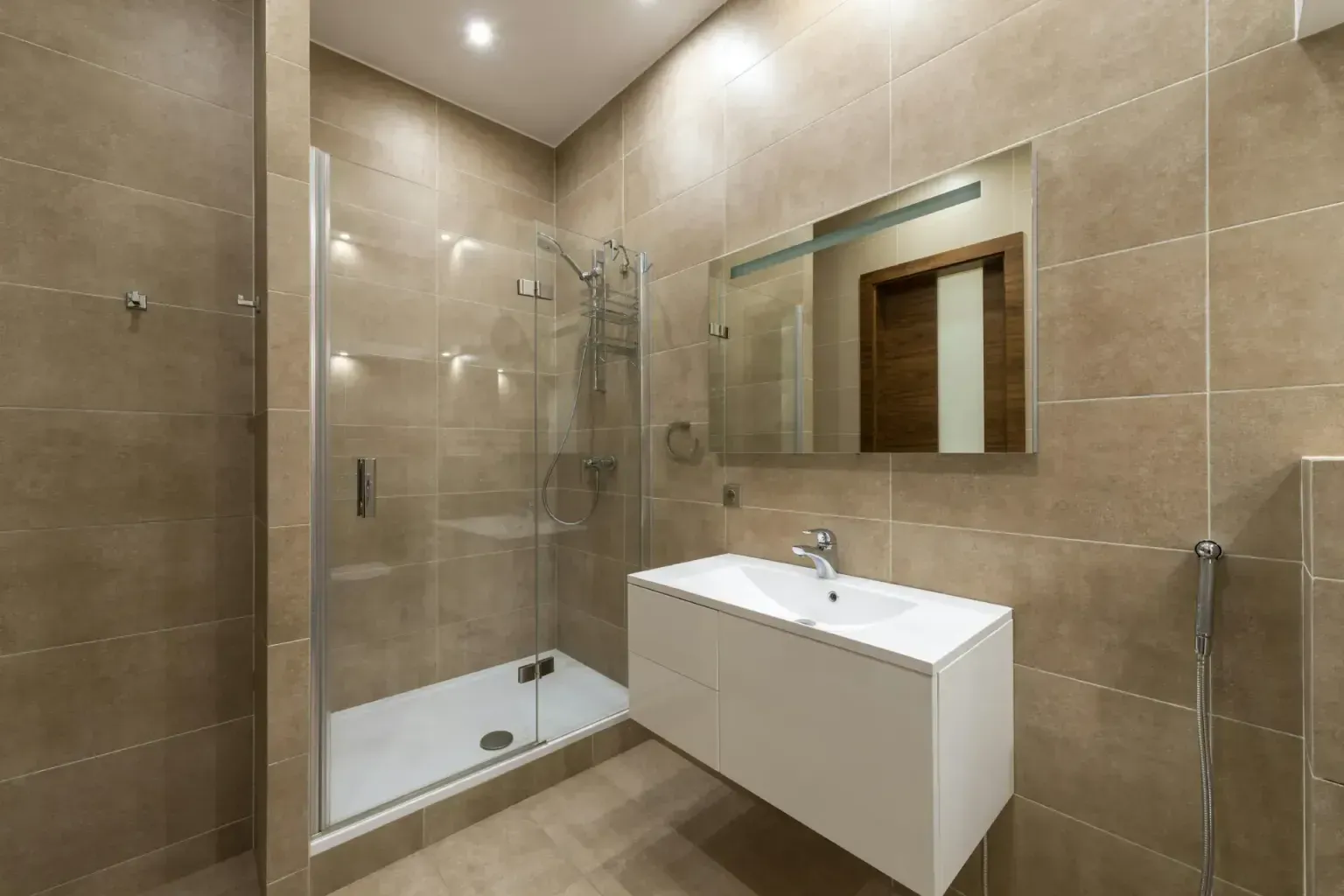
We replace bathroom fixtures—vanities, faucets, towel bars, medicine cabinets, and everything between.
SA Bathroom Remodel Pros handles bathroom remodel selma tx for homeowners and property managers in Selma, TX. SA Bathroom Remodel Pros provides bathroom remodeling, fixture replacement, walk-in shower conversion, and flooring installation across Selma, TX and the surrounding areas of Bexar County. We handle full-scope renovations and targeted upgrades for homeowners who need reliable work on tight timelines—especially rental property owners and multi-unit investors who turn over units between tenants.

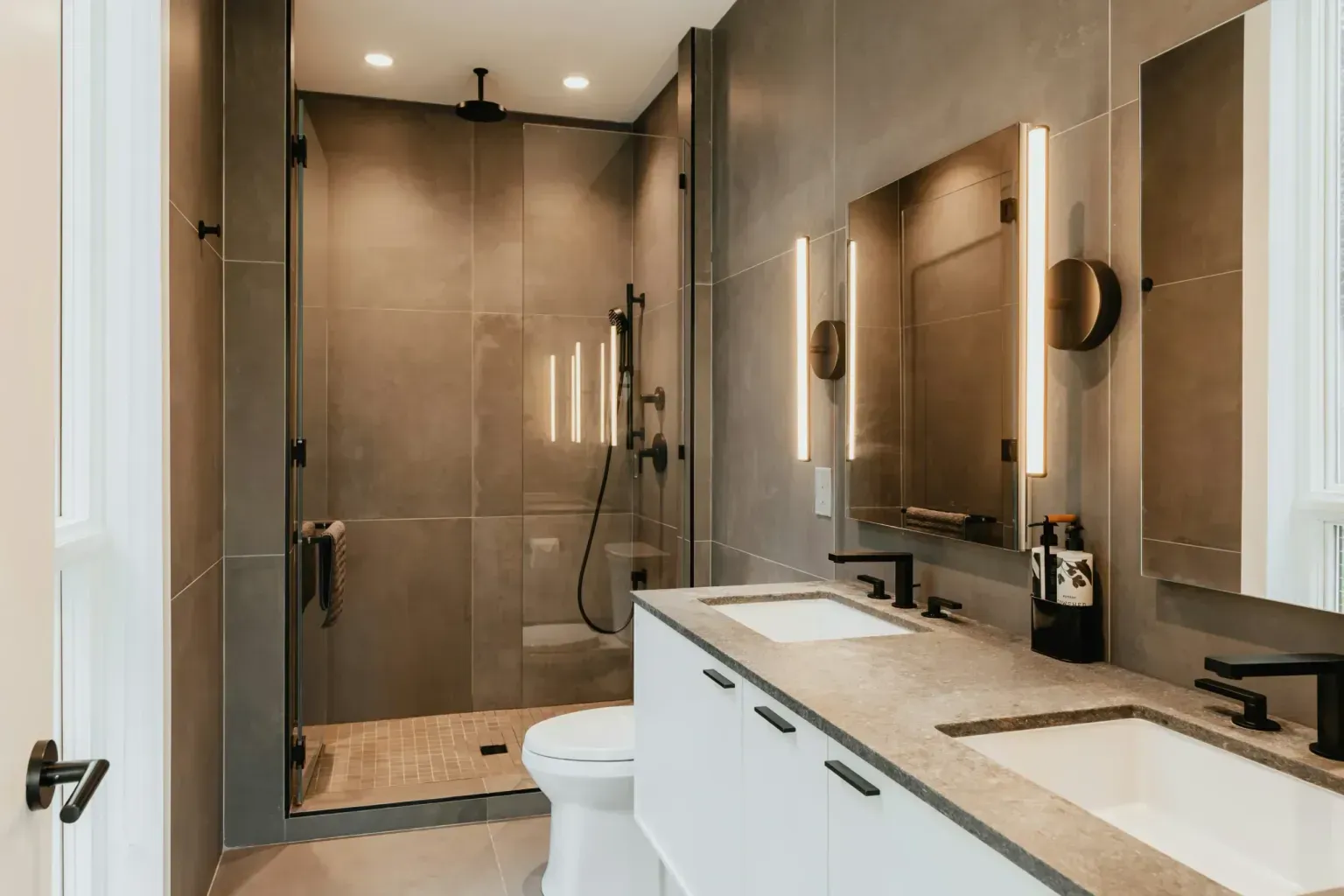
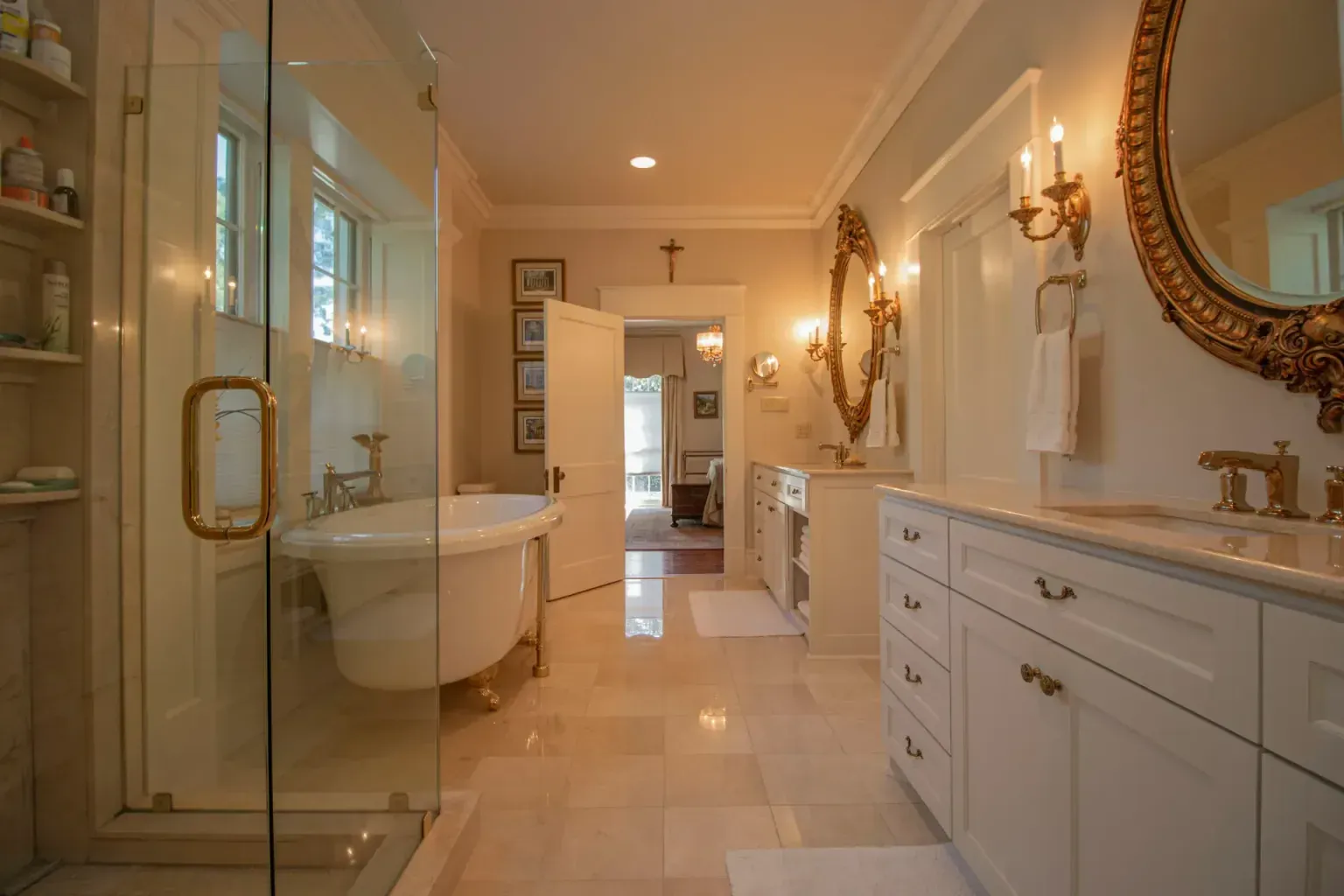
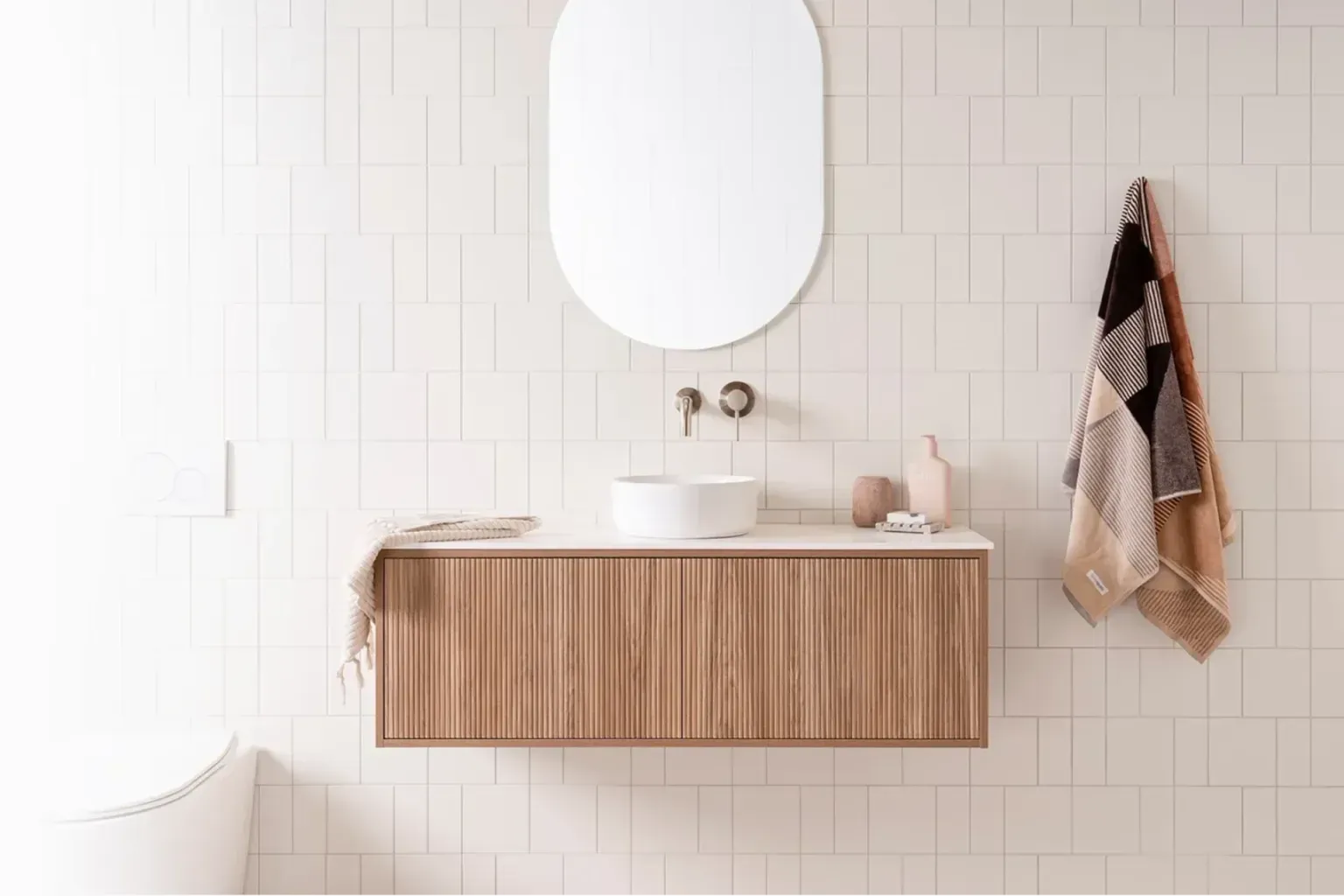
We replace bathroom fixtures—vanities, faucets, towel bars, medicine cabinets, and everything between. A wider vanity with a deeper sink and more counter space costs more but functions better in daily use and resells. We also upgrade vanity and countertop selections if your old counter is stained, cracked, or undersized. Quartz and solid-surface countertops resist moisture better than laminate and require less sealing than natural stone.
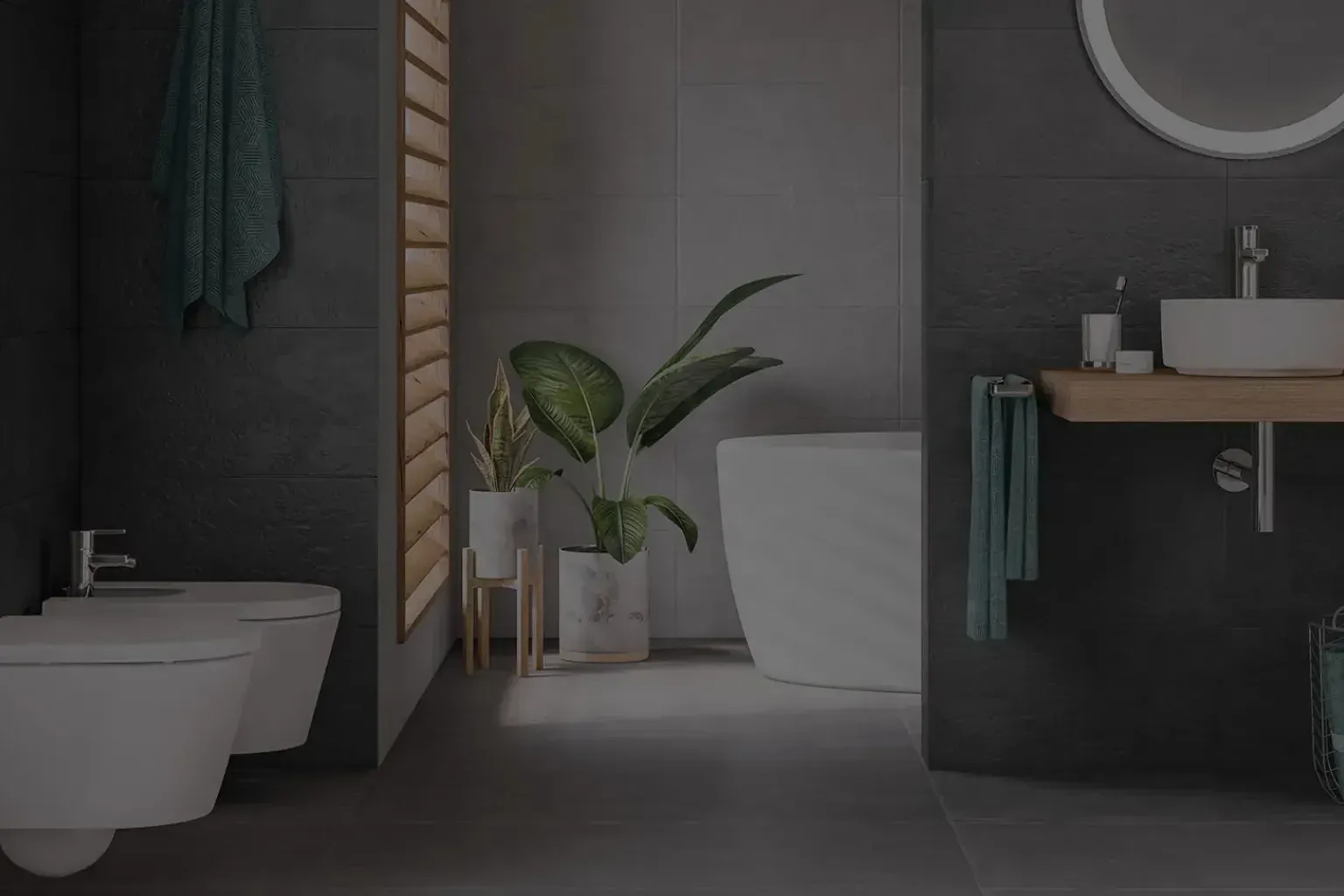
A comfort-height toilet sits 17 to 19 inches high, versus a standard toilet at about 15 inches. The difference matters for aging knees and for anyone with mobility limits. We install them as part of fixture upgrades and coordinate rough plumbing so the waste line reaches the new location without cutting into framing.
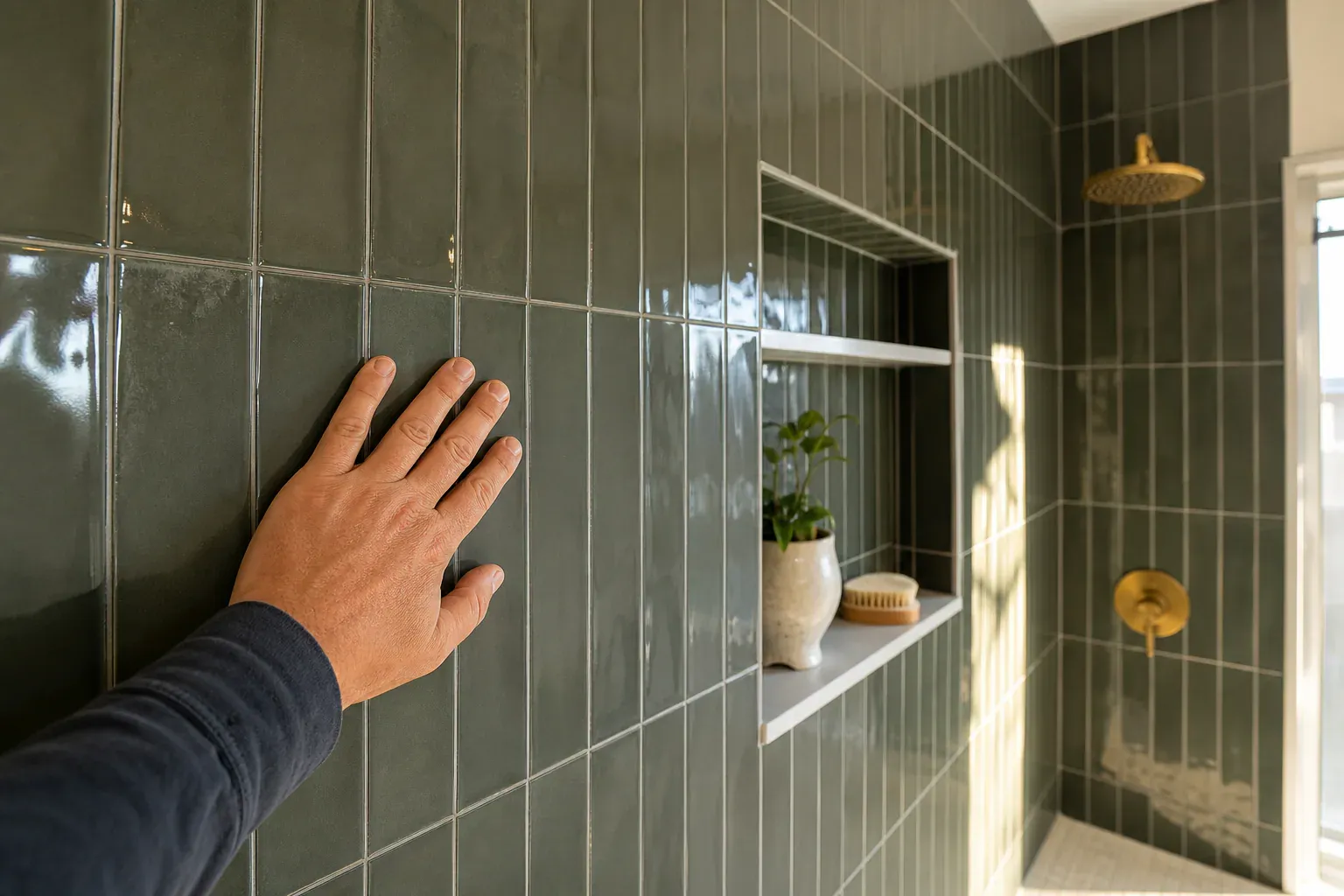
Tile replacement covers wall surround in showers and tubs, floor tile in wet areas, and accent tile work. We remove the old tile (which creates dust; containment matters), prep the substrate, check for flatness, then set new tile on thin-set mortar. Grout lines are sealed after curing. For Selma's climate, we recommend porcelain over ceramic in high-moisture zones—porcelain is denser, absorbs less water, and won't effloresce or spall.
Bathroom flooring installation accounts for water exposure and foot traffic. We use slip-resistant flooring rated for wet areas—look for a coefficient of friction high enough to pass wet-surface standards. Natural stone, large-format porcelain tile, and vinyl plank all work; the choice depends on your budget and maintenance tolerance. We seal grout lines and ensure the floor slopes gently toward the drain.
Vinyl plank flooring for bathrooms is water-resistant and warm underfoot but softer than tile—it works well for accessibility layouts where fall risk matters. Porcelain tile is denser than ceramic and resists staining, offering long-term durability in Selma bathrooms when properly installed and maintained.
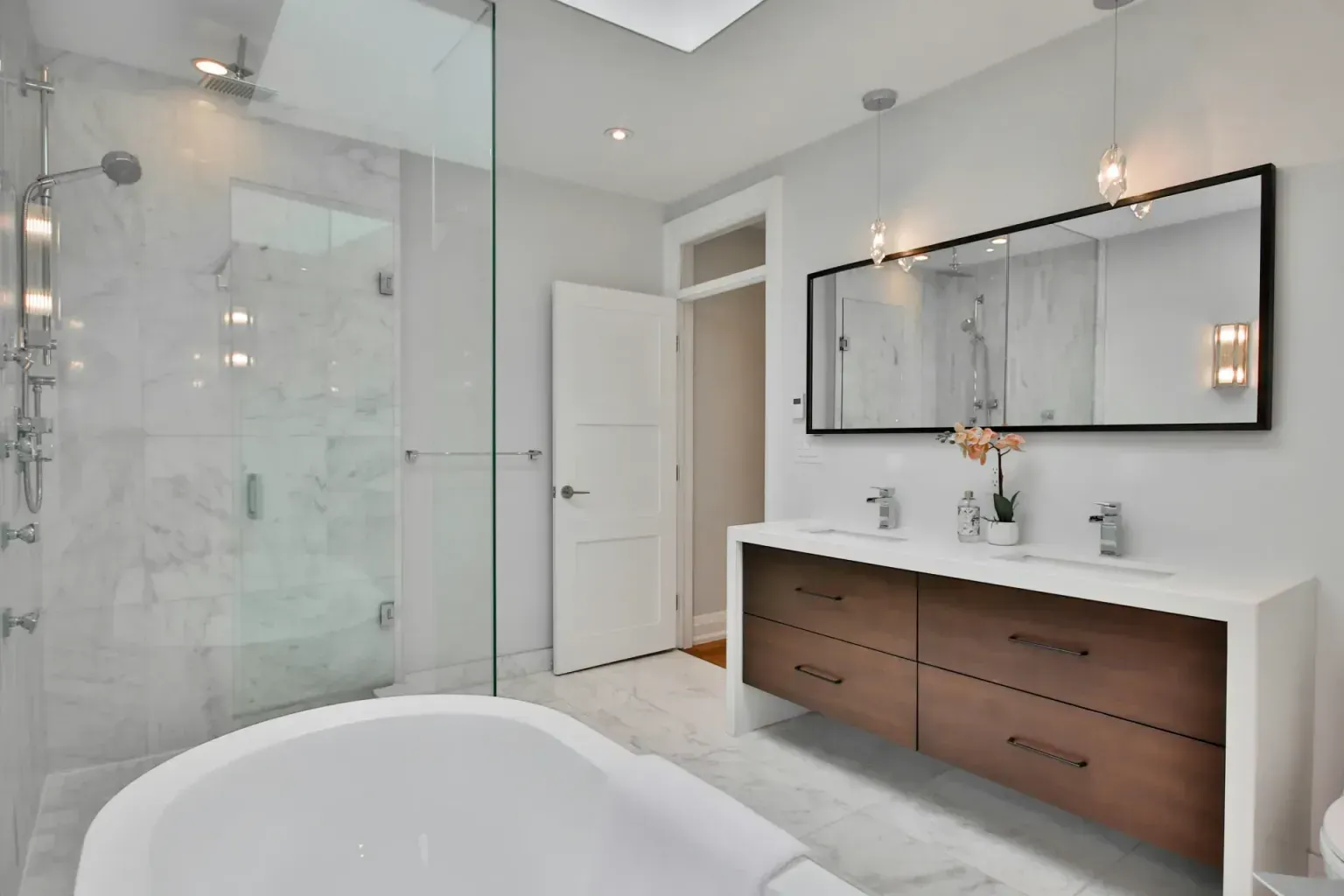
Bathtub replacement means removing the old tub, checking the rough plumbing, and installing a new one at the same level or slightly higher. The tub must sit on a solid, level base. We check floor framing and add blocking if the existing support is uneven.
A walk-in bathtub has a door with a gasket seal that opens inward once you're inside and seated. The door swings closed and locks, water fills, you soak, then it drains and opens again. These units are heavier than standard tubs and need solid floor support. The door gasket needs annual inspection to catch any softening or shrinkage early. Installation is similar to a standard tub, but you must verify that the rough plumbing can handle the tub's drain location.
A walk-in shower conversion removes the tub and installs a shower enclosure with a threshold or a curbless entry. The choice affects both cost and function. A standard shower enclosure sits on a low-threshold entry pan, typically under 1 inch rise, which is easier to step into than a traditional 6-inch curb. A curbless entry goes one step further: the floor slopes at 1/4 inch per foot toward a recessed pan, so there's no step at all. Curbless design costs more to build but eliminates trip hazards and works well for aging-in-place layouts.
For the walls, we install either tile or porcelain wall panels. Large-format porcelain sheets (often 24 by 48 inches or larger) reduce the number of grout lines, which means fewer places for water to seep. Tile requires more grout and more maintenance, but offers more design variety. A bath surround is a single-unit fiberglass or acrylic enclosure that installs in one piece—faster and cheaper than tile, but less customizable.
Tub-to-shower conversion is straightforward plumbing-wise: we cap the tub drain, reroute the supply to the shower valve, and install the pan and enclosure. The tricky part is existing framing. If the tub alcove was built for a tub (deeper and lower), we often have to rework the walls and header. Access matters too—if the bathroom is tight, we might choose a corner shower or a narrower unit.
A shower liner is different from a pan: it's an acrylic form fitted over an existing tub, sealed at the edges. Installation takes a day, no demolition needed. Liners last 10–15 years before the seal degrades, so they're a mid-life refresh, not a permanent solution.
Plumbing improvements tied to a remodel might mean rerouting supply lines to a new vanity location, upsizing vent stack to code, or installing a mixing valve to prevent scalding. We coordinate rough-in inspection before walls close. New supply and drain lines handle code-compliant sizing; older homes often have undersized vents or drains that back up under heavy use.
Grab bars anchored into wall studs or blocking are rated to hold 250 pounds or more. They're mounted 33 to 36 inches from the floor for standard use, though this shifts for specific needs—lower bars for seated transfers, higher bars for stand-up balance. We locate studs, drill anchors (not into drywall alone), and test the bars before we leave.
A roll-in shower needs at least 36 by 36 inches of clear floor space for wheelchair turning radius. The threshold must be no higher than 1/4 inch, so a low-threshold pan or a curbless recessed pan is the standard. We set a fold-down shower seat at the same height as the wheelchair seat height, usually 17 to 19 inches.
Non-slip surfaces matter in walk-in tubs, on shower floors, and on any bathroom floor where wet feet land. We choose materials with a coefficient of friction that meets or exceeds slip-resistance standards for commercial bathrooms. Accessibility bathroom modifications also include lever handles instead of knobs (easier to operate with one hand), vanities with clearance below for wheelchair pull-up, and an accessible toilet at comfort height.
Barrier-free design is the broader principle: eliminate lips, raised thresholds, and tight corners. A bathroom that follows barrier-free layout works for anyone, regardless of age or mobility, so it's a smart investment in long-term function.
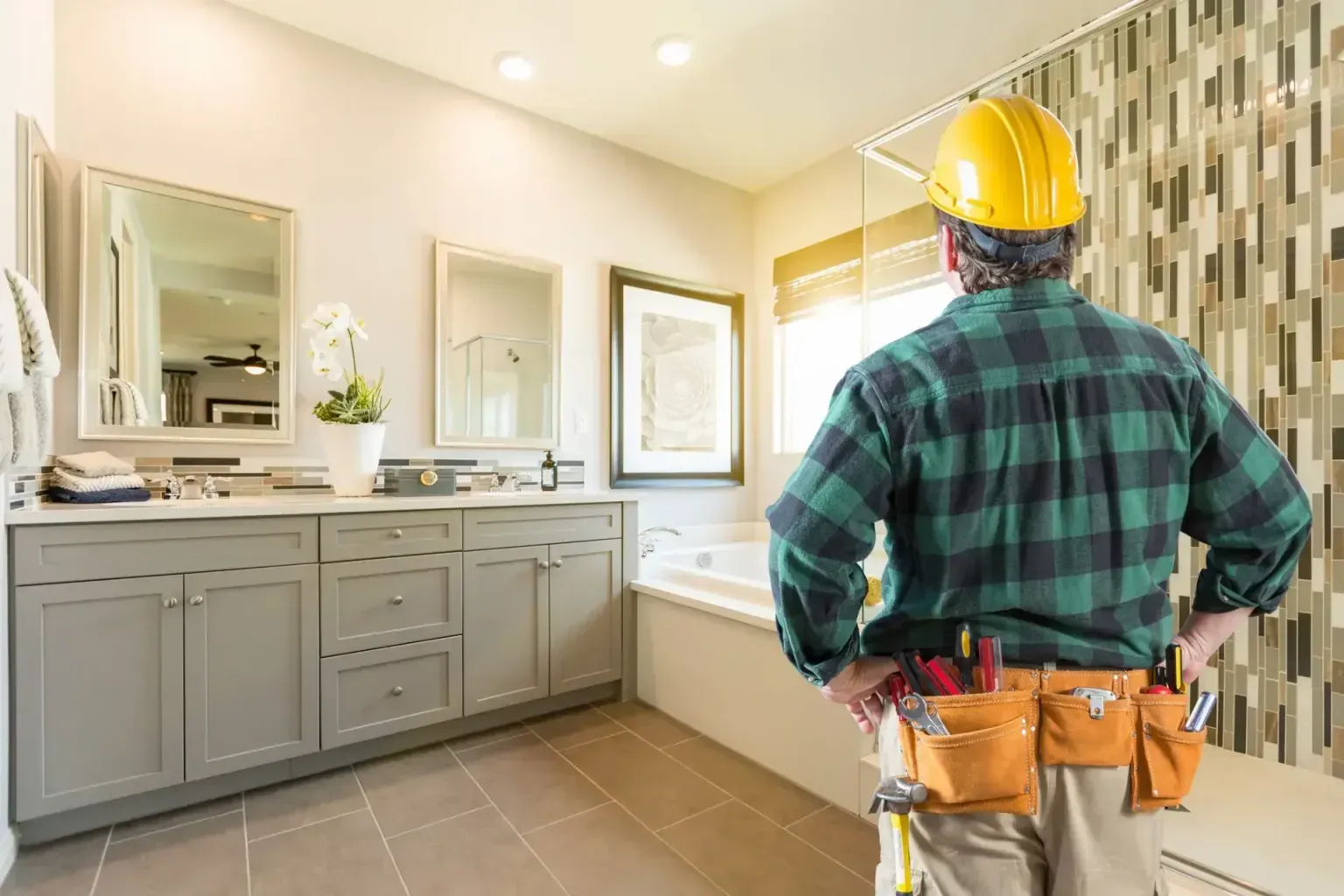
Selma sits along Cibolo Creek and borders Live Oak, Universal City, Schertz, Converse, and Garden Ridge. The area's mix of older ranch homes and newer builds means we see both tight original footprints and more spacious layouts. Many of Selma's bathrooms were built narrow, which complicates full remodels—moving a door, relocating a vanity, or reconfiguring the layout costs more than it would in a larger space, but it's often the only way to fit a modern bathroom into a vintage home.
Selma's housing stock reflects decades of growth, from the older ranch-style homes near Retama Park to newer construction. Many of these bathrooms started with narrow layouts, limited ventilation, and finishes that wear fast in a humid Texas climate. We rebuild bathrooms to last through tenant cycles, weather, and daily use.
A full bathroom remodel begins with a walk-through and a look at what stays and what gets stripped. We demo the old surround, pull fixtures, and open the walls. Once we're past the framing inspection, we run new supply and drain lines if the existing plumbing can't support your layout. We install a waterproofing membrane on the subfloor before any tile goes down—this is non-negotiable in areas that will see standing water. The membrane prevents water from creeping into the framing below, which in Texas humidity turns into mold and rot in months.
After waterproofing is cured and inspected, we lay tile or install panel surrounds, then set fixtures. Final connections and caulking seal everything, and we run the water systems through a full cycle before we leave. The whole sequence matters: get the order wrong and you patch walls, re-caulk, or worse, tear into tile later to reach a leaking valve.
Humidity and seasonal moisture are constant in Bexar County. Texas heat drives air conditioning cycles that create condensation indoors. We insist on adequate ventilation—an exhaust fan sized to the square footage, vented to the outside (not the attic), running during and 20 minutes after showers. Moisture-resistant materials in wall cavities prevent mold: we use foam board or foam blocks instead of paper-faced insulation, and we caulk seams.
Tenant turnover is real in Selma's rental and multi-unit market. Bathroom finishes take a beating. We spec durable fixtures, quality grout, waterproof membranes, and slip-resistant flooring that stands up to turnover cycles. A solidly built bathroom pays back faster in a rental property.
Bexar County requires a permit for any bathroom remodel that involves plumbing, electrical, or structural changes. We pull the permit, schedule inspections (rough-in and final), and ensure the work meets current code. Code changes every few years, so an older bathroom might not meet today's standards for vent stack sizing, mixing valve temperature, or fixture spacing. We bring older homes into compliance during a remodel.
Waterproofing is the foundation of a long-lasting bathroom. Liquid-applied membranes, sheet membranes, and pre-formed drain pans all serve the same purpose: stop water from reaching the framing. In Selma's climate, a failure here means mold, rotted rim joist, and structural damage within one or two seasons. We use membranes that cure per manufacturer specs and hold inspection before tile or panels go over them.
Material selection for durability means choosing tile grades that suit the location (wall tile in light-duty areas, floor tile rated for heavier traffic), grout colors that hide grout-line dirt, and caulk that resists mildew.
We replace bathroom fixtures—vanities, faucets, towel bars, medicine cabinets, and everything between.
Tile replacement covers wall surround in showers and tubs, floor tile in wet areas, and accent tile work.
Bathtub replacement means removing the old tub, checking the rough plumbing, and installing a new one at the same level or slightly higher. The tub must sit on a solid, level base.
A walk-in shower conversion removes the tub and installs a shower enclosure with a threshold or a curbless entry. The choice affects both cost and function.
Plumbing improvements tied to a remodel might mean rerouting supply lines to a new vanity location, upsizing vent stack to code, or installing a mixing valve to prevent scalding.
Grab bars anchored into wall studs or blocking are rated to hold 250 pounds or more. They're mounted 33 to 36 inches from the floor for standard use, though this shifts for specific…
Why homeowners call us
Every bathroom remodel job is scoped and priced in writing, so the number you approve is the number you pay. If something behind the wall changes the work, we stop and price it first.
You speak to the people doing the work, not a call centre, and cover certificates go to your building manager or general contractor on request.
Containment, floor protection and same-day debris removal on every interior job — the space stays usable while the work is going on.
Crews work Selma and the surrounding cities every week, so a walkthrough is usually available within the same week you call.
FAQ
Yes. We handle walk-in shower conversions, tub-to-shower conversions, full bathroom remodels, and fixture upgrades in Selma and surrounding areas. We also install curbless entries, grab bars, and accessible vanities for aging-in-place layouts. Every project includes waterproofing, plumbing rough-in inspection, and final code verification.
A basic fixture replacement or tub-to-shower conversion typically takes two to three weeks from permit to final inspection. A full bathroom remodel runs four to six weeks depending on layout changes, plumbing reroutes, and tile complexity. Weather delays and material lead times can extend the schedule, but we coordinate inspections to keep work moving.
Yes. Any remodel involving plumbing, electrical, or structural changes requires a Bexar County permit. We pull it, schedule inspections, and ensure the work meets current code. Fixture-only replacements in existing locations sometimes avoid permitting, but we verify with the county first to keep you compliant.
Call 575-640-4335 and we will come out and price the work in writing.